Bio Toilets

SAPID Bio Toilets – The Soilets Model

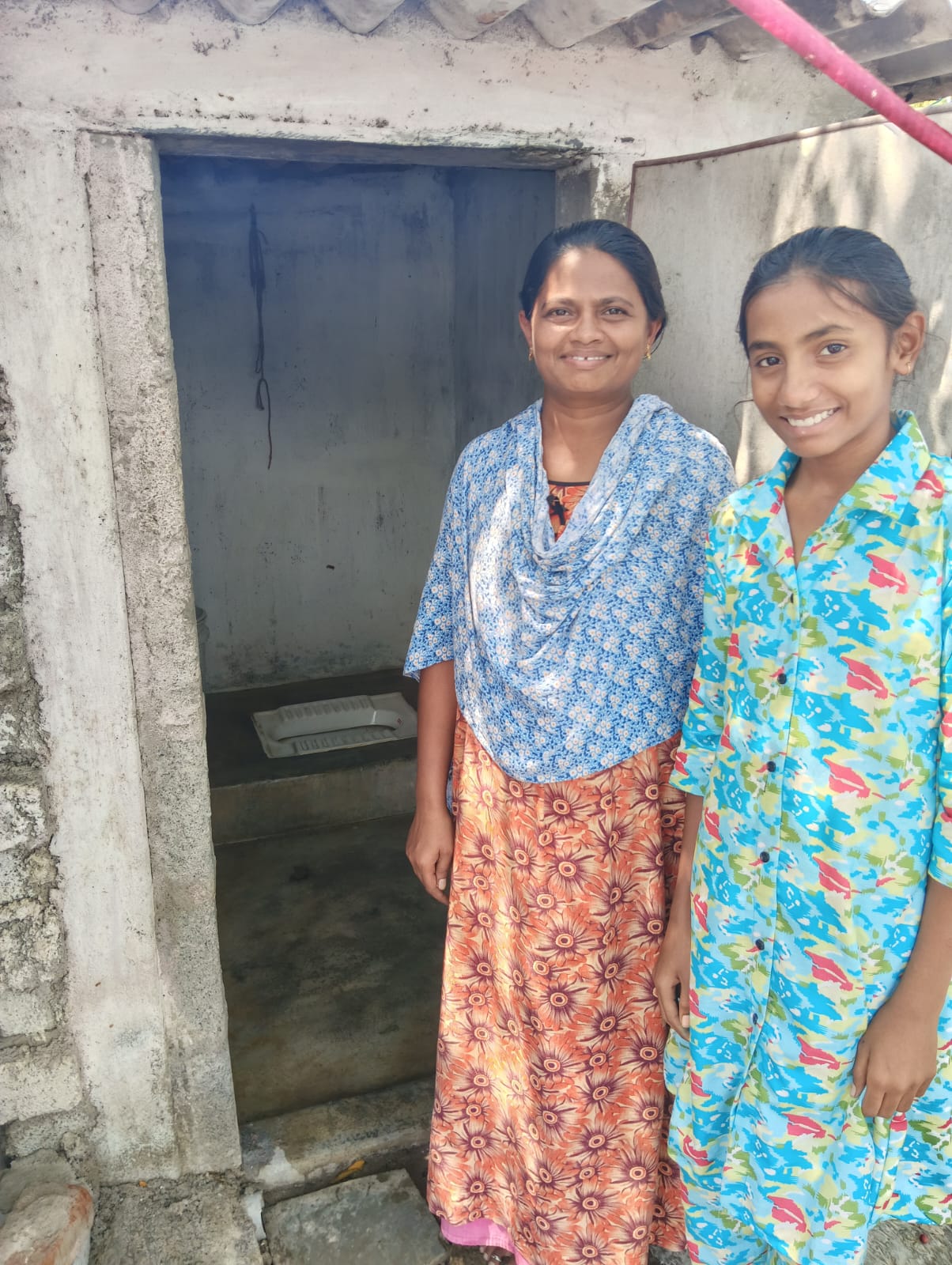
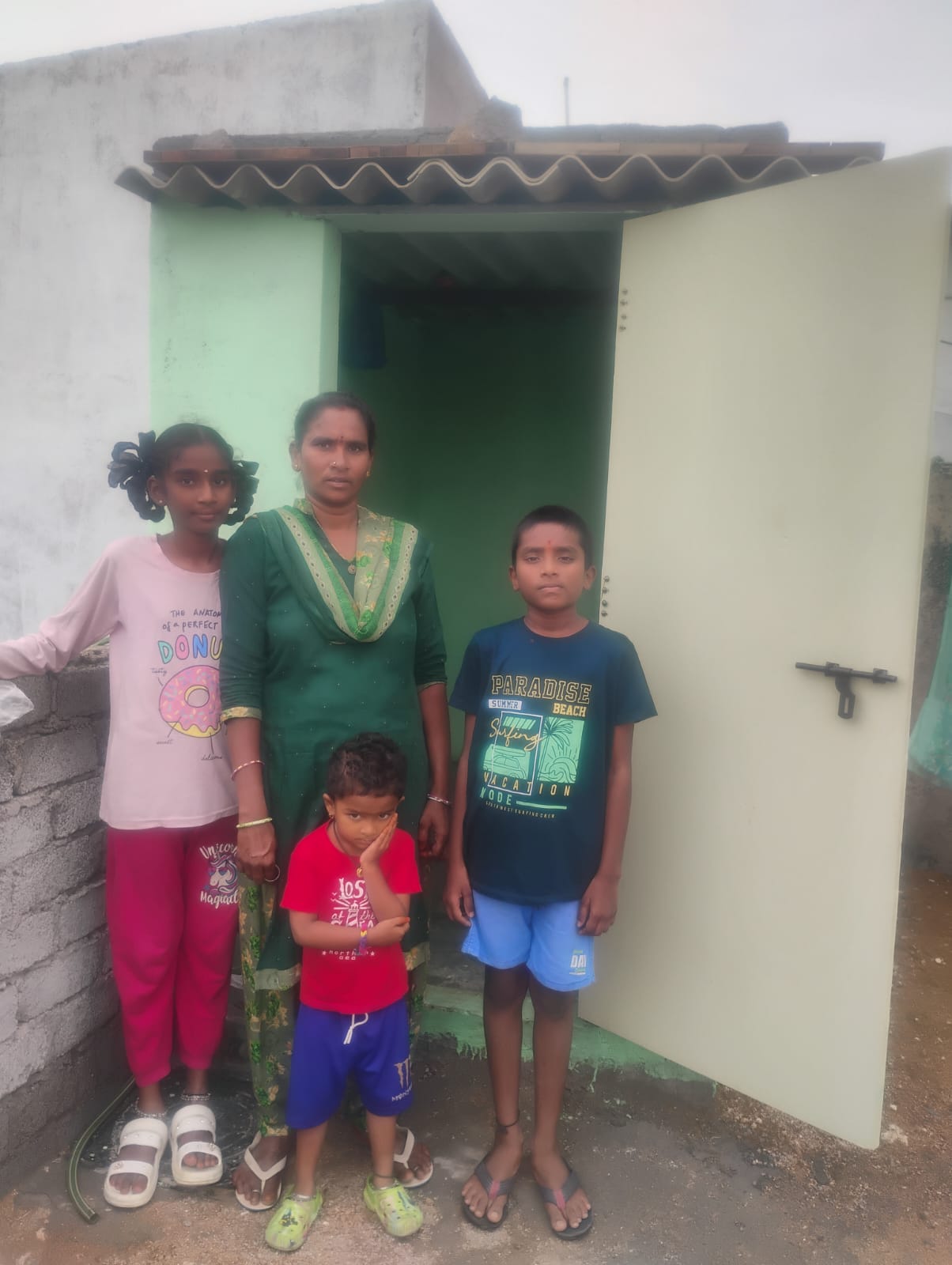
SAPID Bio Toilets, popularly called the “Soilets” model, represent an innovative approach to sanitation designed around simple structural stability and sanitation efficiency.

The Soilets model reflects SAPID's focus on developing practical sanitation solutions that can respond to the needs of communities. Its simple structural approach supports sanitation while keeping the model practical for community use.

This pioneering technology has been recognized and featured on the official website as a best practice in an innovative toilet model, highlighting SAPID's contribution to community-focused sanitation initiatives.

Bio Toilets & Soilets

SAPID Bio Toilets, popularly known as the “Soilets” model, focus on simple structural stability and sanitation efficiency. The model represents SAPID's efforts to develop practical and innovative sanitation solutions for communities.

The Soilets model is based on a simple structural approach, providing a practical sanitation solution while focusing on efficiency. It reflects SAPID's grassroots approach to addressing community needs through appropriate and community-focused initiatives.

This pioneering technology has been recognized and featured on the official website as one of the best practices in an innovative toilet model, bringing attention to SAPID's work in the area of sanitation and community development.

Our Bio Toilet Initiative

SAPID's Soilets model demonstrates how simple and practical sanitation solutions can contribute to community development and sanitation efficiency.

01

Innovative Toilet Model

The Soilets model represents an innovative approach to toilet design with a focus on simple structural stability and sanitation efficiency.

02

Simple Structural Stability

The model focuses on a simple structural approach that supports practical sanitation requirements.

03

Sanitation Efficiency

The Soilets model is designed with sanitation efficiency as an important part of its approach to community sanitation.

04

Community-Focused Innovation

SAPID's bio toilet initiative reflects its approach of developing practical solutions around community needs.

Innovative Sanitation

A Practical Approach to
Community Sanitation

SAPID Bio Toilets, popularly called the “Soilets” model, combine simple structural stability with a focus on sanitation efficiency.

The pioneering model reflects SAPID's efforts to develop practical sanitation solutions for communities. The technology has been recognized and featured on the official website as a best practice in an innovative toilet model.

Simple Structure

Focusing on simple structural stability in toilet design.

Sanitation Efficiency

Designed with sanitation efficiency as a key consideration.

Recognized Model

Featured as a best practice in an innovative toilet model.

Our Approach

Practical Sanitation Through Community-Focused Innovation

SAPID's Soilets model reflects its grassroots approach to addressing community needs through practical and innovative solutions. The focus on simple structural stability and sanitation efficiency supports a straightforward approach to community sanitation.

By developing and promoting innovative sanitation models, SAPID contributes to its broader work in community development and improving access to appropriate sanitation solutions.

Community Sanitation

Addressing sanitation needs through practical community-focused solutions.

Simple Innovation

Applying a simple structural approach to an innovative toilet model.

Sanitation Efficiency

Keeping sanitation efficiency at the centre of the Soilets model.

Innovation in Action

A Simple Model for Innovative Sanitation

SAPID Bio Toilets, popularly called the “Soilets” model, demonstrate the organisation's focus on practical solutions that respond to community needs. The model combines simple structural stability with sanitation efficiency.

Recognized and featured on the official website as a best practice in an innovative toilet model, the Soilets initiative forms an important part of SAPID's work in sanitation and community development.

Go Back Top