Water and Sanitation Support

Water & Sanitation

Improving Access to Water & Sanitation

SAPID works to improve access to essential water and sanitation facilities among marginalized communities through direct and indirect community support. These efforts focus on addressing basic infrastructure needs that contribute to improved community well-being.

Through its support, SAPID has contributed to the construction of 500+ toilets, helping improve access to sanitation facilities for communities in need.

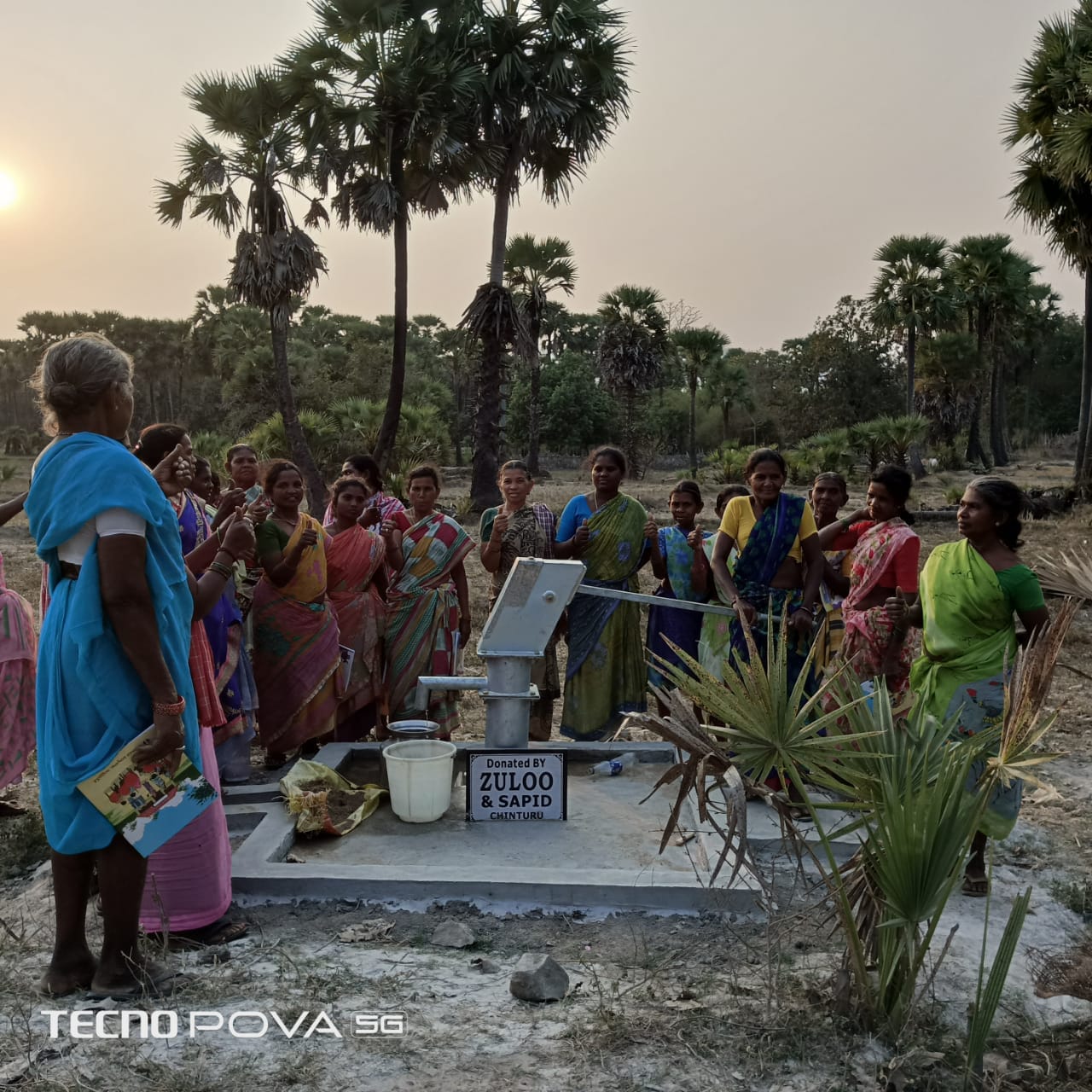
SAPID has also supported access to water through the drilling of 148 borewells. Together, these initiatives form part of SAPID's wider commitment to sustainable community development, dignity and improved quality of life.

Water & Sanitation Support

Access to safe water and sanitation is an important part of community well-being. SAPID supports marginalized communities by contributing to basic water and sanitation infrastructure through direct and indirect support.

SAPID has supported the construction of more than 500 toilets, helping communities gain better access to essential sanitation facilities. These efforts contribute to improved access to basic sanitation at the community level.

To support access to water, SAPID has also contributed to the drilling of 148 borewells. Together, water and sanitation initiatives form part of SAPID's approach to addressing essential community needs and supporting sustainable development.

Our Water & Sanitation Activities

SAPID's water and sanitation initiatives focus on supporting essential community infrastructure through toilet construction and borewell development.

01

Sanitation Support

Supporting the construction of toilets to improve access to essential sanitation facilities among marginalized communities.

02

Safe Water Access

Supporting communities through the drilling of borewells to improve access to essential water resources.

03

Community Infrastructure

Contributing to basic water and sanitation infrastructure through direct and indirect support based on community needs.

Water & Sanitation

Improving Access to
Essential Community Needs

SAPID supports communities by contributing to essential water and sanitation infrastructure. Through direct and indirect support, these initiatives address basic needs and help improve access to sanitation and water.

With support for the construction of more than 500 toilets and the drilling of 148 borewells, SAPID contributes to strengthening basic community infrastructure in underserved areas.

Sanitation

Supporting access to essential sanitation facilities through toilet construction.

Water Access

Supporting water access through borewell development.

Community Support

Addressing essential infrastructure needs through direct and indirect support.

Our Approach

Strengthening Access to Water & Sanitation

SAPID works with communities to address essential water and sanitation needs through direct and indirect support. By contributing to toilet construction and borewell development, SAPID responds to basic infrastructure requirements within underserved communities.

These efforts form part of SAPID's wider commitment to sustainable community development, self-reliance, dignity and improving quality of life. The focus remains on supporting practical infrastructure that responds to important community needs.

Sanitation Access

Supporting improved access to sanitation through toilet construction.

Water Access

Supporting communities through borewell development and improved access to water.

Community Development

Addressing basic infrastructure needs through direct and indirect community support.

Looking Ahead

Building Stronger Foundations for Community Well-Being

Access to water and sanitation is an important part of community infrastructure and everyday well-being. Through direct and indirect support, SAPID works to address these essential needs among marginalized communities.

With support for the construction of 500+ toilets and the drilling of 148 borewells, SAPID continues to contribute to improved access to sanitation and water while supporting its broader commitment to sustainable community development.

Go Back Top